Hospital Session
Consultant Haemato-Oncologist
Consultant Haemato-Oncologist
Specialist Care for Blood Disorders & Blood Cancers.
Personalized, evidence-based care for anaemia, blood disorders, haematological cancers and related conditions — with a focus on accurate diagnosis, thoughtful treatment and compassionate care.
Qualifications
- MBBS
- DCP
- DNB (Path)
- DrNB (Haematology)

Dr. Gunjan Prasad
Consultant – Haemato-Oncology
- MBBSBachelor of Medicine & Bachelor of Surgery
- DCPDiploma in Clinical Pathology
- DNB (Path)Diplomate of National Board, Pathology
- DrNB (Haematology)Doctorate of National Board, Haematology
- HaematologyBlood, marrow & clotting conditions
- Haemato-OncologyBlood cancers & related conditions
- BMTBone Marrow Transplant, Specialized Training & Protocol

Trained in pathology & clinical haematology
DNB (Path) · DrNB (Haematology)
About the Specialist
Specialist knowledge. Personalized attention.
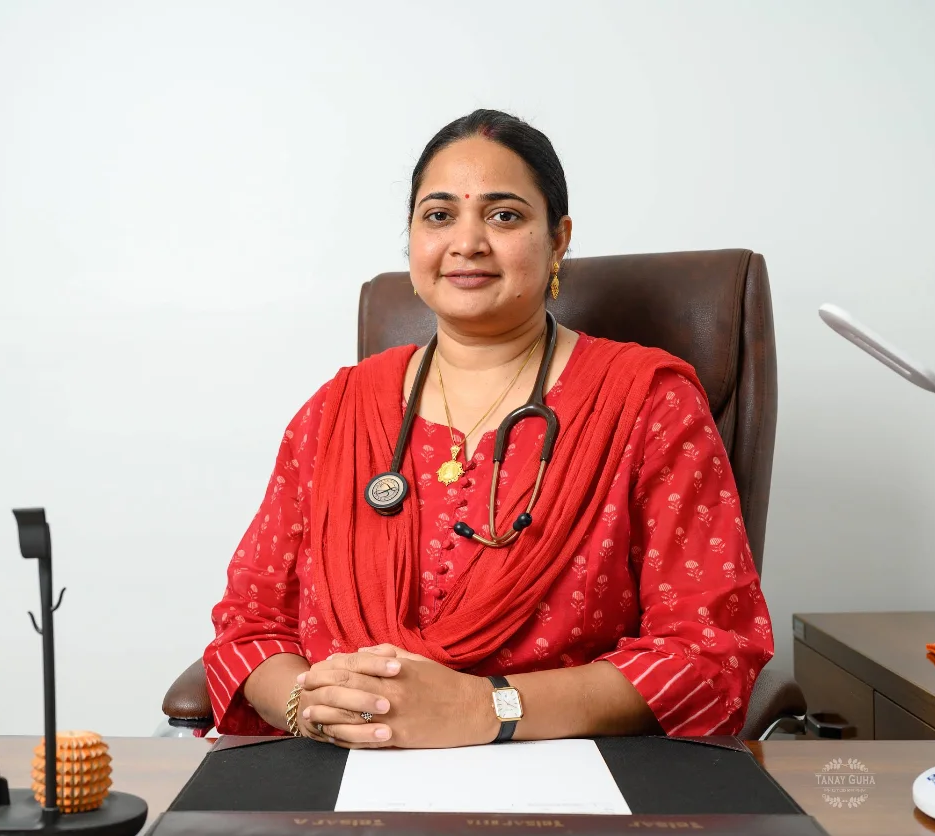
Dr. Gunjan Prasad is a specialist in Haematology and Haemato-Oncology, with a focus on the diagnosis and management of blood disorders and blood cancers.
Her training spans both laboratory and clinical medicine — pathology (DCP, DNB) and clinical haematology (DrNB). Her approach combines careful clinical assessment, appropriate investigations and individualized treatment planning.
She places importance on clear explanations, time for questions, and care plans that reflect each patient's circumstances.
- Designation
- Consultant – Haemato-Oncology
- Qualifications
- MBBS · DCP · DNB (Path) · DrNB (Haematology)
- Specialties
- Haematology · Haemato-Oncology
BMT
Bone Marrow Transplant
Specialized Training & Protocol - Location
- Siliguri, West Bengal
Precision in diagnosis. Compassion in care.
Video Gallery
Featured Videos
Awareness Reel
Blood Health Essentials
Awareness Reel
Understanding Platelet Counts
Awareness Reel
Hematology Awareness
Continuing Medical Education
Committed to Continuing Medical Knowledge
Medical practice continues to evolve. Ongoing professional learning and participation in academic forums are an important part of staying informed.
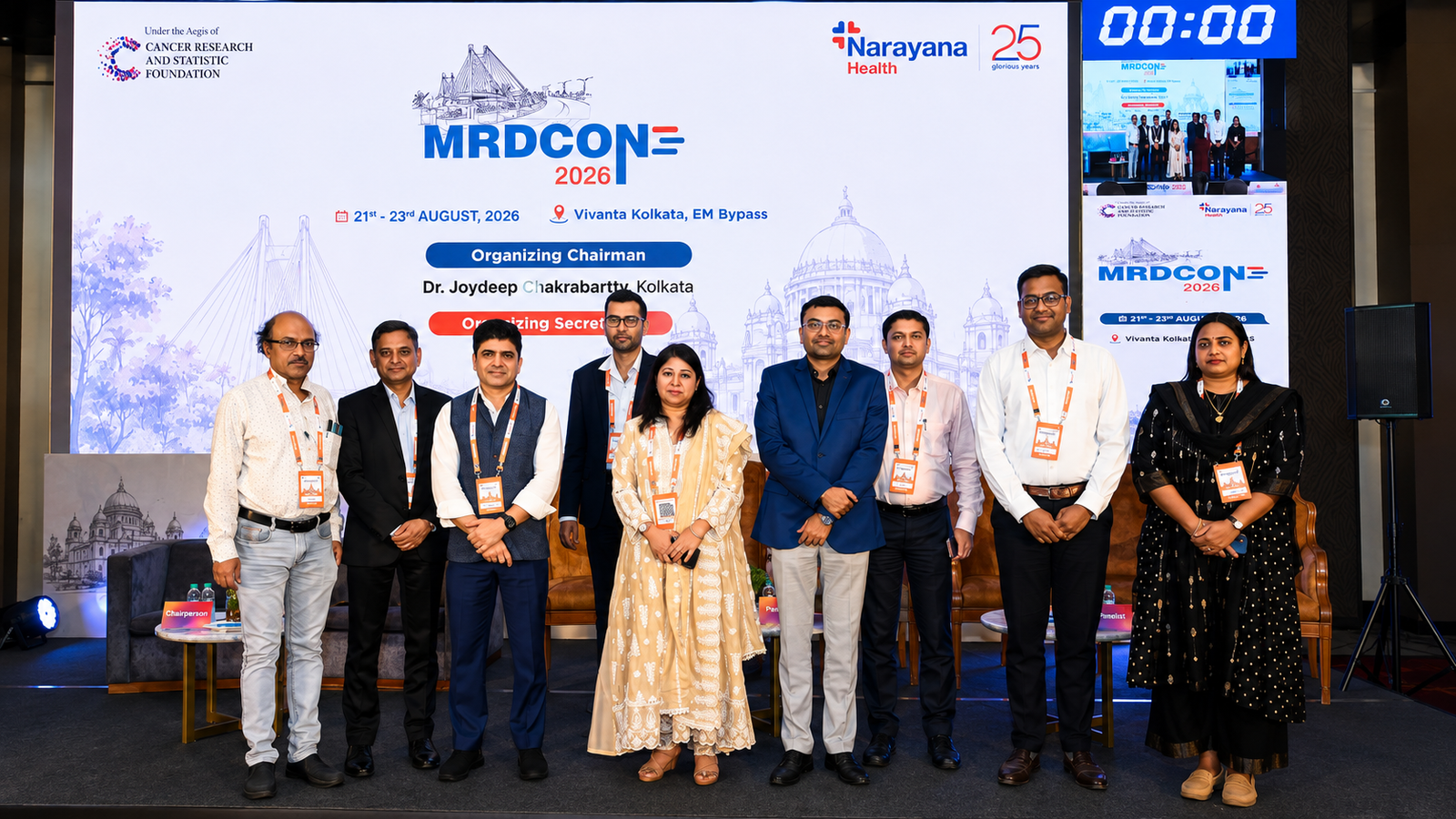
Academic & Professional Engagement
Learning. Collaborating. Advancing Care.
Haematology and haemato-oncology are fast-moving fields. Academic meetings offer a forum to engage with peers, discuss emerging evidence and bring current perspectives back to everyday patient care.
- Participation in academic forums
- Peer discussion and collaboration
- Staying informed about evolving evidence
Conditions
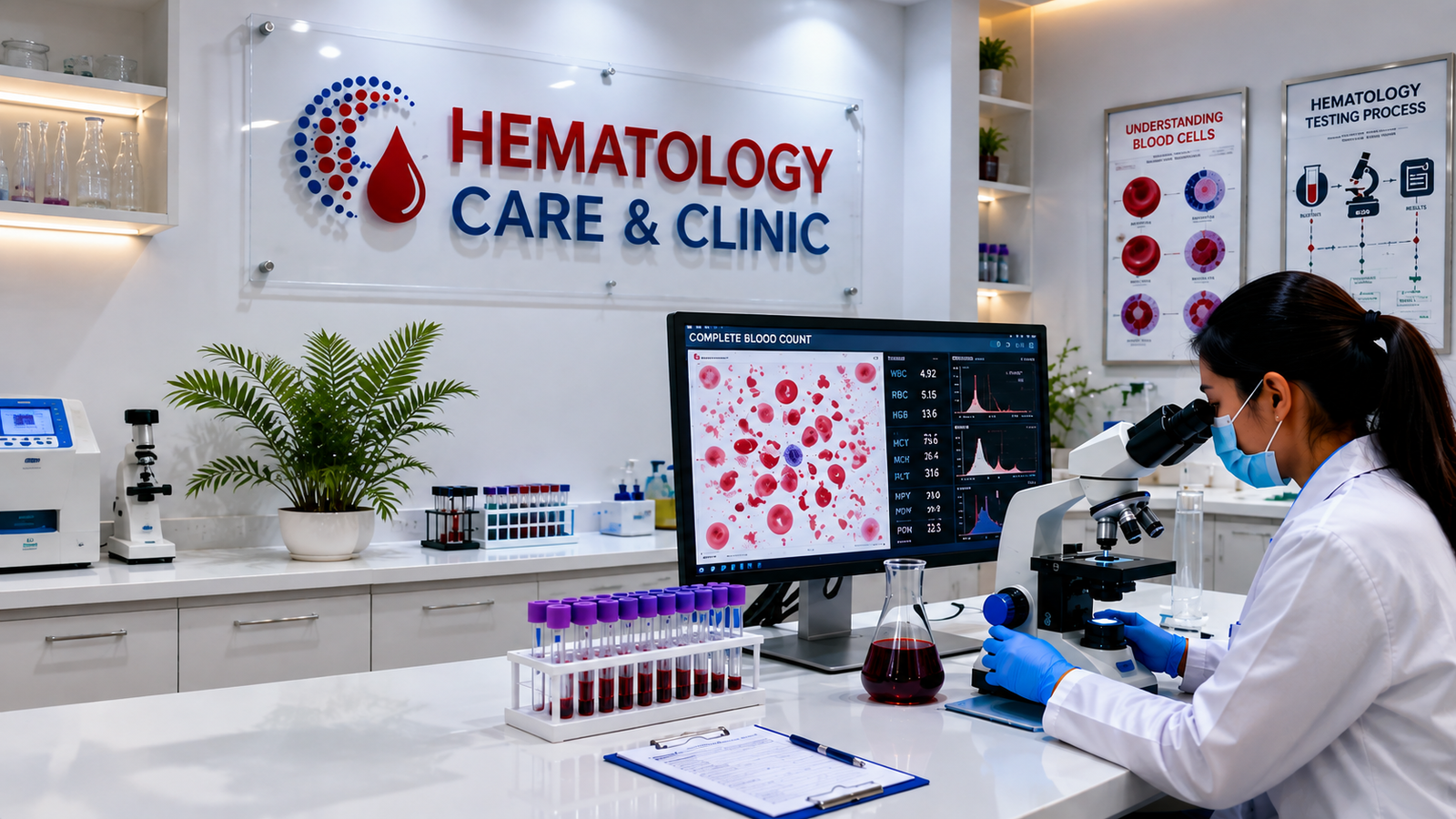
Understanding Your Blood Health
Blood is made up of red cells, white cells and platelets. Conditions commonly evaluated in haematology and haemato-oncology practice include those affecting each of these components.
 Illustrative image
Your blood at a glance
Three components, three families of conditions
- Red cells carry oxygen around the body
- Platelets and clotting factors help control bleeding
- White cells help the body fight infection
Red cells & haemoglobin
Anaemia & Haemoglobin Disorders
Platelets & clotting
Bleeding & Clotting Disorders
White cells, marrow & lymph nodes
Haemato-Oncology
These lists are illustrative, not exhaustive. Whether a condition needs specialist care — and what that care involves — is decided after appropriate clinical evaluation.
Diagnostic Approach
From Diagnosis to a Clearer Treatment Plan
In haematology, a precise diagnosis is the foundation of good care. Each step builds on the last, so that treatment decisions rest on a clear understanding of the underlying condition.
Laboratory insight, clinical perspective
With training in both pathology and clinical haematology, laboratory findings and clinical assessment are considered together.
-
STEP 01
Diagnosis
Understanding the clinical question — symptoms, history, examination and previous reports.
-
STEP 02
Investigation
Choosing tests relevant to that question, from blood counts to specialised studies where needed.
-
STEP 03
Interpretation
Reading results in the context of the whole clinical picture, not in isolation.
-
STEP 04
Treatment Planning
Discussing options and agreeing on a plan suited to the diagnosis and to you.
-
STEP 05
Follow-up
Monitoring response over time and adjusting care as circumstances change.
Patient Education
Understanding Common Blood Disorders
Plain-language introductions to conditions frequently seen in haematology practice. For general information only — not a substitute for a consultation.
Red cells
Anaemia
Understanding common symptoms, possible causes and when evaluation may be appropriate.
Haemoglobin disorders
Thalassemia & Sickle Cell Disorders
Understanding inherited haemoglobin disorders and the importance of specialist evaluation.
Platelets & clotting
Bleeding & Clotting Disorders
Recognizing abnormal bleeding, bruising and clotting-related symptoms.
Testimonials
What Patients Say
Authentic experiences and reviews from patients under the care of Dr. Gunjan Prasad.
FAQs
Questions Patients Often Ask
General information to help you prepare. For advice about your own situation, please speak with a qualified doctor.
Have a question not listed here?
+91 91137 09104
A haematologist is a doctor who specialises in disorders of the blood, bone marrow and lymphatic system. This includes conditions affecting red cells, white cells and platelets; bleeding and clotting problems; inherited haemoglobin disorders such as thalassemia and sickle cell disease; and blood cancers such as leukaemia, lymphoma and myeloma.
Patients are often referred when a blood test shows an unexpected result — for example low haemoglobin, or unusual white cell or platelet counts. Symptoms such as unexplained bruising or bleeding, persistent tiredness, recurrent infections, enlarged lymph nodes or unexplained weight loss may also prompt evaluation.
Your family doctor or treating physician can help decide whether specialist review is appropriate. For heavy bleeding or sudden severe illness, please seek emergency care immediately.
Haemato-oncology focuses on cancers and related conditions of the blood, bone marrow and lymph nodes. These include leukaemias, lymphomas, multiple myeloma and other plasma cell disorders, myelodysplastic syndromes and myeloproliferative neoplasms.
A first visit usually involves a detailed discussion of your symptoms and medical history, a physical examination and a review of any previous reports. Based on this, further investigations may be advised. You will have the opportunity to ask questions, and the next steps will be explained to you.
This depends on the clinical question. Common tests include a complete blood count, peripheral blood smear, iron studies, vitamin levels and coagulation tests. Some situations call for specialised studies such as haemoglobin analysis (HPLC), flow cytometry, bone marrow examination or imaging.
The aim is to choose investigations that are relevant to your situation and helpful in guiding care.
Please bring all previous blood reports, prescriptions, discharge summaries and scan reports — ideally arranged by date. A list of current medicines and supplements, relevant family history and a note of your symptoms and questions are also helpful.
If a specific test is planned, ask the clinic whether any preparation, such as fasting, is needed.
WhatsApp Booking
Your Blood Health Deserves Specialist Attention.
Take the next step toward a clearer understanding of your condition.